
The Human Lens: Mastering Portrait, Lifestyle, and Specialized Photography
Photography is never more fulfilling than when it captures the spirit of an individual. It's the power to see, and interpret, a person's personality, temperament, and existence in a single lasting photograph. It's a form that varies from a commercial headshot photo shoot to the sensuality of boudoir photography, encompassing a certain combination of technical skill, psychological insight, and empathy. Learn the key skills and creative techniques needed to thrive in the multicultural world of human-centric images.
Portrait Photography: The Foundation of Connection
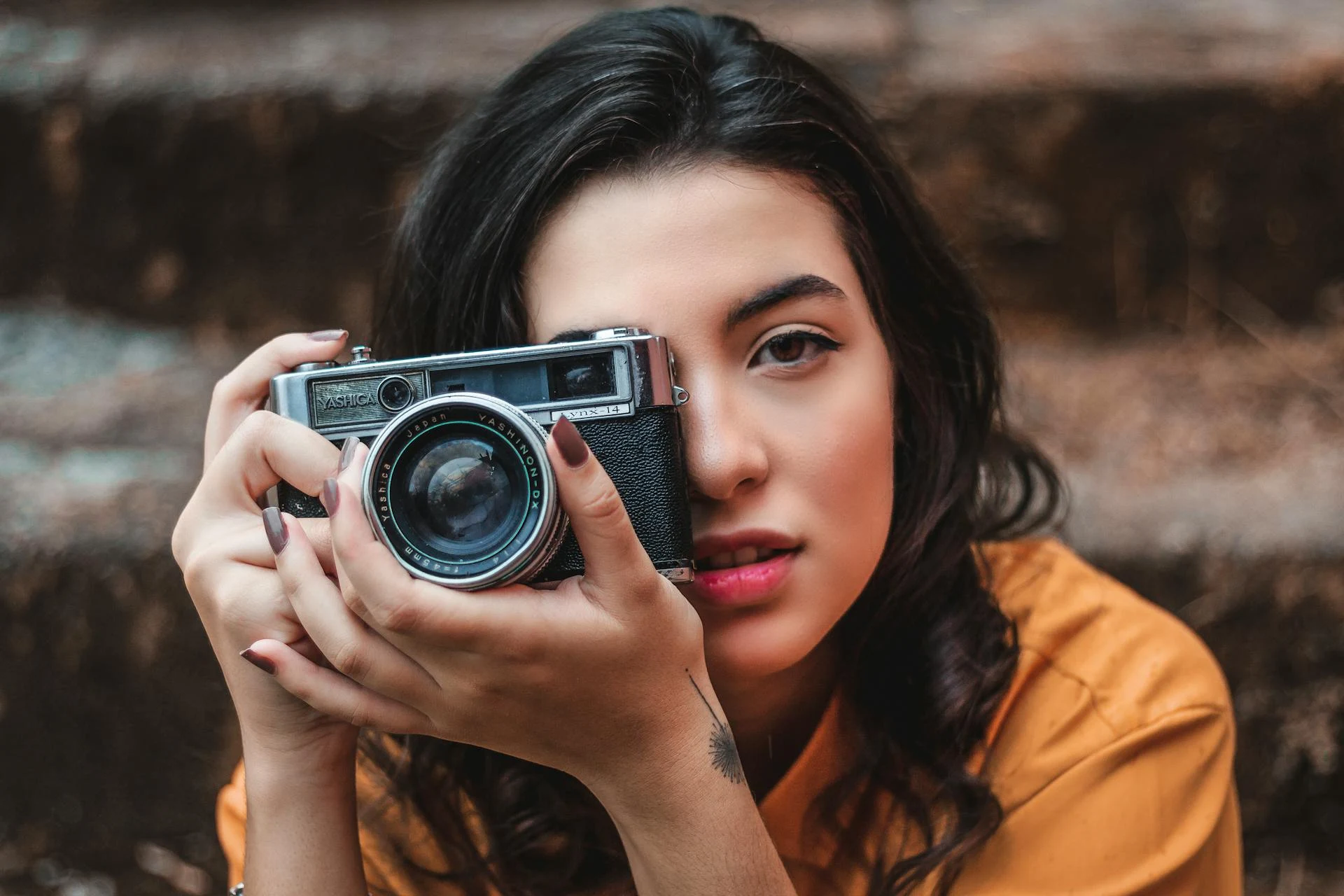
At its core, portrait photography is connection. It's the most common and versatile form of human-centered work. A great portrait is more than looks; it touches the inner life of the person.
Key Approaches and Techniques
Environmental vs. Studio: Decide whether to use a controlled studio environment for crisp, focused results, or to shoot on location, integrating the subject’s environment—a staple of lifestyle photography. The environment helps tell a richer story about who the person is and what they do.
Posing and Directing: Learn to guide your subject to natural, comfortable positions. Mastery of communication is often more vital than mastery of the camera itself. True candid photography comes from creating a relaxed atmosphere where your subject momentarily forgets the lens.
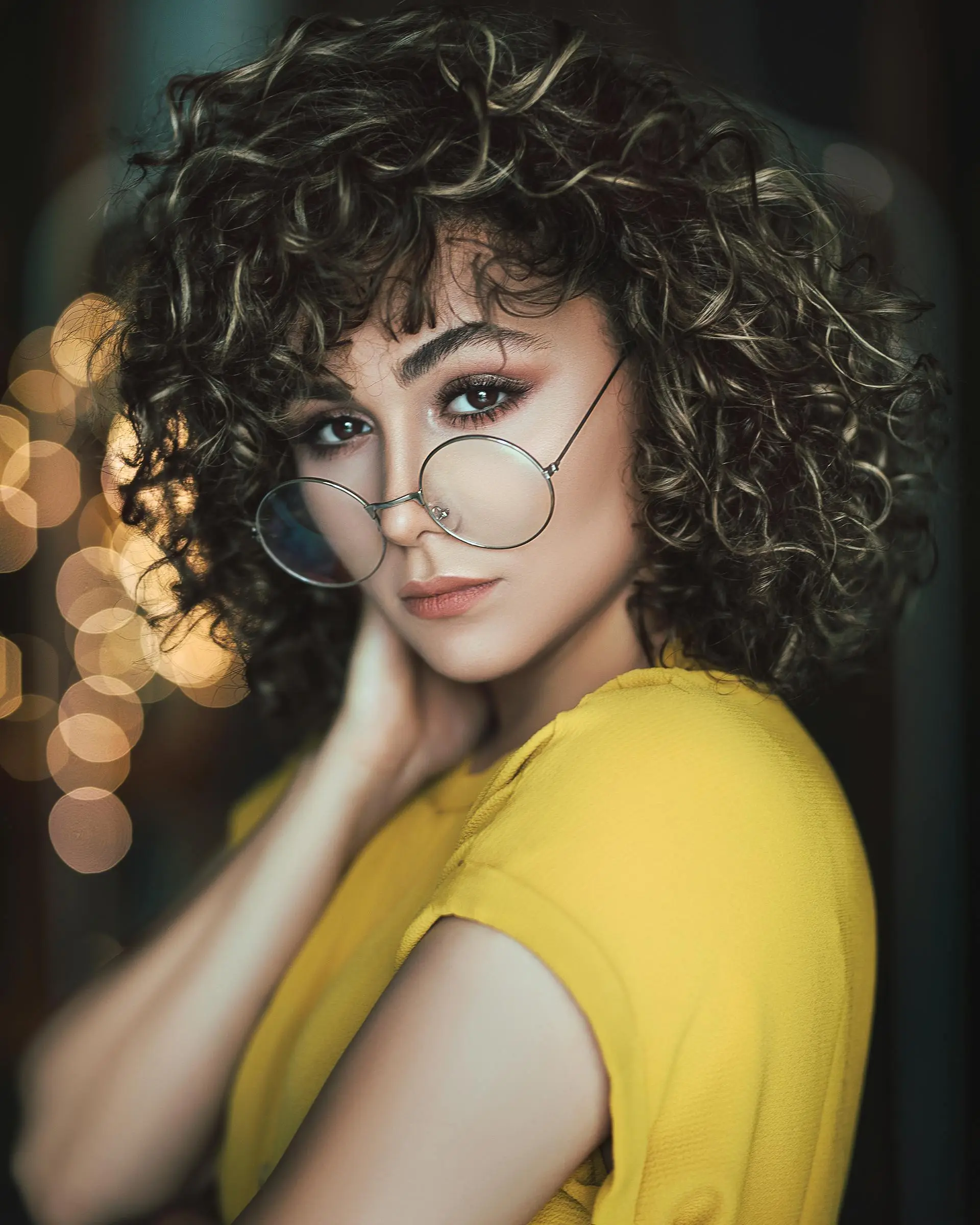
Technical Focus: Depth of Field Photography: For compelling portraits, utilizing a shallow depth of field photography is essential. By opening your aperture wide (e.g., f/2.8 or lower), you can isolate the subject, blurring the background (bokeh) and drawing the viewer’s eye precisely to the subject’s face or eyes.
Essential Gear Tips
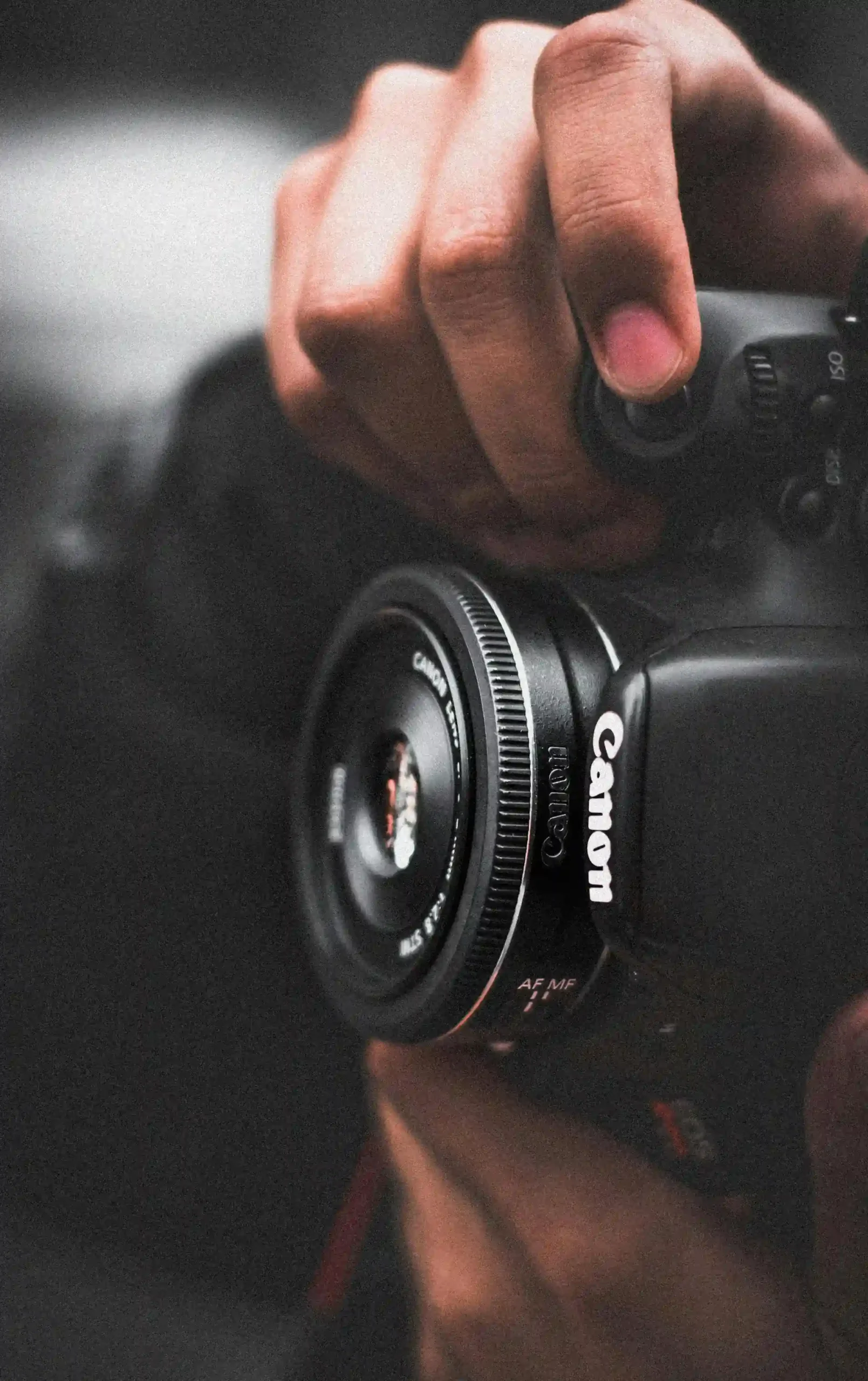
A medium telephoto lens (e.g., 85mm or 135mm) is often preferred for its pleasing compression and ability to create flattering perspectives for any type of portrait photography.
Commercial Power: From Headshots to Editorial Spreads
Photography for businesses and publications requires precision and a clear understanding of the client’s brand message.
Headshot Photography: The modern headshot photography demands clarity and approachability. This isn't just a mugshot; it’s a professional branding tool. Lighting must be clean, and the subject’s expression must convey confidence and professionalism. This often involves careful use of softboxes or reflective panels.
Commercial and Editorial Photography: While both serve commercial goals, they differ significantly.
Commercial Photography aims directly to sell a product or service. The image is clean, brightly lit, and product-focused.
Editorial Photography (for magazines or media) aims to tell a story or accompany an article. It’s often moodier, more conceptual, and creatively driven, requiring more artistic freedom and strong collaboration with a stylist or art director.
Integration: Understanding how these images are used—be it on a billboard or a magazine spread—dictates your lighting and composition choices.

Navigating Intimacy: Boudoir, Newborn, and Unique Genres
Some of the most rewarding, yet challenging, forms of human photography exist in highly specialized, intimate genres. They require high ethical standards and technical finesse.
Newborn Photography
Capturing babies requires extreme patience, a warm, safe environment, and often, extensive props and wraps.
Safety First: The photographer must be trained in safe handling and posing of infants.
Lighting: Soft, diffused natural light is preferred to avoid startling the baby. Flash photography is typically avoided or used with very low power and indirect placement. This is a highly specialized field where knowledge is everything.
Boudoir Photography Model
Less common but creatively challenging, these niches require technical skill:
Iris Photography near me: Ultra-macro photography of the human iris, requiring highly specialized lenses and lighting to capture incredible detail.
Aura Photography: A specialized process involving Kirlian-like photography or digital interpretation, blending science and spiritualism to capture an "energy field."
The Essentials: Light and Exposure Control
No matter the genre, mastery of light is non-negotiable. While available light is always beautiful, controlling the illumination is vital for professional, repeatable results.
Flash Photography: Moving beyond basic on-camera flash is crucial. Using off-camera flash (strobes or speedlights) allows you to shape and direct light, making flat images pop. Understanding soft light (from large sources like softboxes) versus hard light (direct flash) is foundational.
Exposure Triangle & Depth of Field: Always work to achieve the desired depth of field photography first, then balance the shutter speed and ISO to get the correct exposure. In portraiture, prioritize aperture to isolate the subject, then adjust your shutter speed and use flash photography to manage ambient light or freeze movement.
By combining psychological insight with technical precision, you are equipped to create impactful and moving imagery across the entire spectrum of human experience.
Academic Pathways: Where to Master the Craft
For others who want to turn passion into a professional career, formal education in the United States offers comprehensive programs that integrate technical instruction with artistic growth and business development. Most major universities and art schools offer degrees in the skill set required for portrait photography, commercial photography, and professional flash photography techniques.
Top US Universities and Colleges for Photography
The best programs often fall under Fine Arts (MFA, BFA) or Media Arts departments, emphasizing studio practice, digital imaging, and professional practice. These institutions are known for equipping students with the commercial and technical skills essential for high-demand fields:
Rochester Institute of Technology (RIT), NY: Known for its strong commercial photography and technical rigor. RIT offers a comprehensive curriculum in related media, emphasizing advanced lighting, digital workflow, and large-scale production—crucial skills for repeatable, professional results.
Columbia College Chicago, IL: This program features an excellent curriculum that covers editorial photography, studio lighting, and deep digital post-production training, preparing students for the fast-paced commercial market.
School of Visual Arts (SVA), NY: Located in the heart of the media industry, SVA offers extensive resources in fashion and portrait photography, providing students with unparalleled access to industry connections and mentorship vital for professional work.
Pratt Institute, NY: This institute focuses heavily on creative portrait photography and fine art, helping students develop a powerful and unique visual voice that is highly valued in high-end editorial photography.
What to Look for in a Photography Program
When evaluating university programs to master these demanding genres, prioritize departments that offer practical, real-world experience:
Dedicated Studio Space and Equipment: Access to high-end lighting gear, large-format printing capabilities, and professional cycloramas (cycs) is crucial for consistently high-quality commercial and newborn photography.
Commercial Practice Courses: Seek out classes that cover the business side—copyright law, portfolio building, pricing, and working with clients on specific headshot and editorial photography briefs.
Emphasis on Lighting Mastery: Strong programs dedicate multiple courses solely to studio lighting, on-location flash techniques, and the technical mastery of flash photography and continuous light sources.