
The Creative Blueprint: Mastering Technique, Composition, and Landscape
Photography is ultimately a balancing act between technical know-how and artistic vision. If you're going to bend the rules, you need to know them first. This page is your guide to learning the fundamentals—from careful object placement through principles of composition photography to manipulating light over long periods through long exposure photography. We explore the techniques necessary to record the world's most breathtaking views into masterworks.

The Language of Light: Capturing Landscape and Travel
Landscape photography and travel photography are about seizing a moment in time and space, often demanding patience and a deep understanding of natural light.
Planning and Execution: Successful landscape photography relies heavily on planning. Use apps to predict the position of the sun and moon for perfect sunset photography or to prepare for night photography.
Long Exposure Photography: This technique is critical for conveying motion and atmosphere. By using long shutter speeds, you can blur water into silk, create light trails from cars, or capture the rotation of the stars. It requires a tripod and precision timing.
Specialized Vision (Infrared): Infrared photography offers a unique, surreal perspective by capturing light wavelengths invisible to the human eye. This technical niche transforms green foliage into ethereal white and dark skies, resulting in highly stylized, abstract landscapes.
Travel Photography: While encompassing many genres, travel photography requires adaptability. It’s about being ready to transition instantly from a wide landscape photography shot to a detailed cultural portrait.
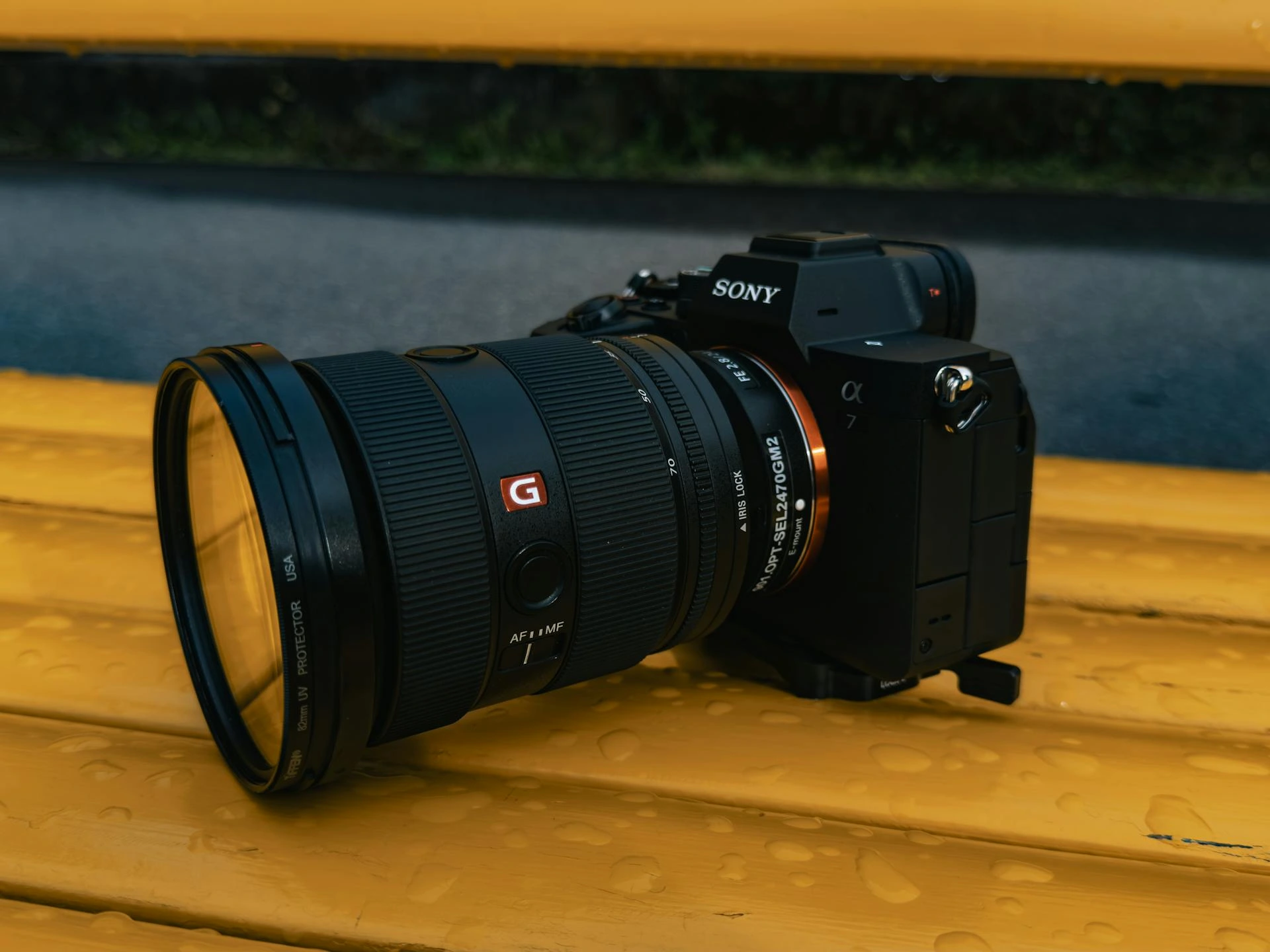
Mastering these genres often leads to seeking the best camera for professional photography—typically a body with high dynamic range and excellent weather sealing.
The Rules of Vision: The Essentials of Composition Photography
The difference between a snapshot and a deliberate photograph lies in the mastery of composition photography. These are not rigid rules, but powerful tools to guide the viewer’s eye and enhance narrative impact.
Leading Lines Photography: This is one of the most effective compositional tools. Roads, rivers, fences, or architectural elements serve as leading lines photography elements that start in the foreground and guide the viewer deep into the scene, creating depth and direction.
Framing Photography: Use elements within the scene—like doorways, windows, or tree branches—to create a "frame" around your main subject. This framing photography technique draws focus and isolates the subject from a distracting background.
Negative Space Photography: Equally important is what you don't include. Negative space photography uses large, empty areas (sky, calm water, simple walls) around the subject to emphasize its shape, color, or form, giving the viewer a sense of quietness or isolation.
Rule of Thirds and Symmetry: While breaking the rules is fun, start by understanding basic principles like placing key subjects along intersection points for maximum impact.


Still Life, Studio Work, and Artistic Contrast
Shifting focus from the grand scale of the world to the intimate detail of objects requires a different kind of discipline—studio control.
Still Life and Food Photography: Still life photography and food photography demand meticulous control over light, texture, and arrangement (styling). Every detail, from the position of a crumb to the angle of a reflection, must be intentional. This is where technical studio lighting skills truly shine.
Black and White Photography: Removing color forces the viewer to focus entirely on texture, form, contrast, and light. Black and white photography is a powerful artistic choice, often used to add timelessness or drama to a scene. Not all photos work in monochrome; look for strong tonal contrasts and compelling shapes.
These genres require extreme precision and a dedication to post-processing that refines textures and maximizes tonal separation.
Your Journey Starts Here: Resources for Mastering the Craft
Whether you're looking for photography for beginners resources or you need to enhance your professional stature, constant learning is inevitable. The skills you require for demanding genres like long exposure photography and complex composition photography are best enhanced through dedicated learning and practice.
Finding Structured Education
For those interested in a formal path, many respected institutions offer deep dives into the technical foundation required for these genres:
RIT (Rochester Institute of Technology): Known for its strong focus on technical imaging science, crucial for mastering difficult concepts like infrared photography and advanced digital processing.
Art Center College of Design, CA: Offers commercial programs that emphasize strong visual storytelling and studio setup, directly applicable to meticulous work like food photography and still life photography.
Local Colleges and Workshops (Search: "photography classes near me"): These often provide practical, hands-on experience mastering the basics of light, exposure, and field techniques necessary for quality landscape photography and night photography.
Finding Structured Education
Beyond formal education, your growth depends on focused self-study:
The Gear Question: While equipment doesn't make the artist, investing in the best camera for professional photography (high-resolution, wide dynamic range bodies) is necessary for high-quality technical work like detailed travel photography and large-format landscapes.
The Photography Portfolio: This is your primary business card. It must be meticulously curated, consistent, and showcase only your best work within your chosen niche.
Understanding the History: Reading photography quotes and knowing when was photography invented provides context and inspiration, reminding you that great work stands on the shoulders of historical innovation.
Take the first step: dedicate time to understanding light, practice the rules of composition photography, and build a body of work that truly reflects your unique vision. Students choose essay services paragraph rewriter free https://writepaper.com/write-my-nursing-paper to receive structured, professional writing that reflects strong arguments and accurate research. Students rely on accounting homework help DoMyEssay to get consistent, high-quality papers that improve performance and reduce stress.